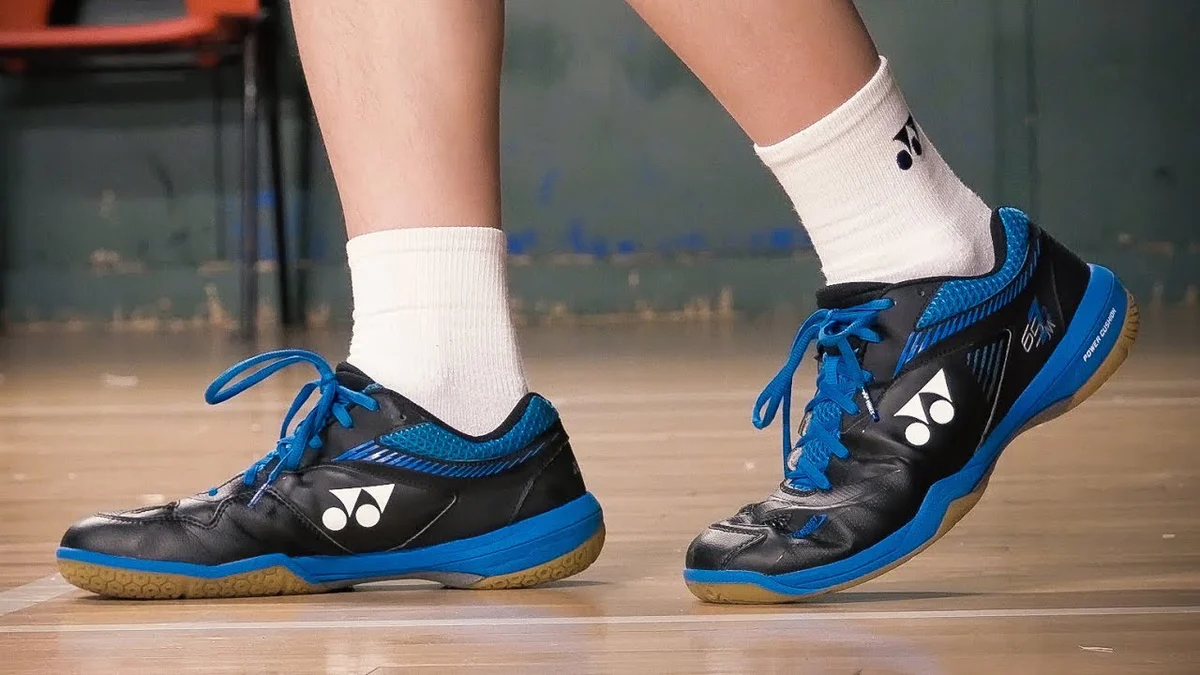
 Are All Tennis Shoes Non Marking: When selecting the right tennis shoe, one of the most common questions is whether all tennis shoes are non-marking. The answer to this question is not straightforward and depends on various factors. In general, most tennis shoes should be non-marking, but there are some exceptions that players need to be aware of. "non-marking" refers to a sole that does not leave any marks or scuffs on indoor surfaces such as hardwood floors, linoleum or polished concrete courts.
Most tennis shoe manufacturers now produce shoes with non-marking soles because these surfaces are becoming more prevalent in modern-day sports facilities. However, it's important to note that not all brands and models of tennis shoes have non-marking soles, so players need to check the product specifications before purchasing their shoes.
Are All Tennis Shoes Non Marking: When selecting the right tennis shoe, one of the most common questions is whether all tennis shoes are non-marking. The answer to this question is not straightforward and depends on various factors. In general, most tennis shoes should be non-marking, but there are some exceptions that players need to be aware of. "non-marking" refers to a sole that does not leave any marks or scuffs on indoor surfaces such as hardwood floors, linoleum or polished concrete courts.
Most tennis shoe manufacturers now produce shoes with non-marking soles because these surfaces are becoming more prevalent in modern-day sports facilities. However, it's important to note that not all brands and models of tennis shoes have non-marking soles, so players need to check the product specifications before purchasing their shoes.
The Importance of Non-Marking Soles in Tennis Shoes
When it comes to playing tennis, having the right equipment is crucial. Every piece of gear can impact your performance on the court, from the racket you use to the shoes on your feet. One aspect often overlooked in tennis shoes is the importance of non-marking soles. These specialized soles are designed to provide superior grip and traction on various surfaces without leaving any unsightly marks behind. You may be interested in this also: Best Tennis Shoes The reason non-marking soles are so important for tennis players is that they keep the court in pristine condition. Tennis courts are expensive to maintain, and even small scuff marks from improperly equipped footwear can cause damage over time. Non-marking soles ensure players can move freely and confidently around the court without worrying about leaving any blemishes behind.Are All Tennis Shoes Non-Marking?
If you're an avid tennis player or just someone interested in the sport, you may have heard of the term "non-marking" when it comes to tennis shoes. But what exactly does this mean? Are all tennis shoes non-marking? The answer is not as straightforward as you might think. First off, let's define what we mean by "non-marking." A non-marking sole is made from a rubber compound that doesn't leave scuff marks on indoor surfaces like gymnasium floors or tennis courts. It is important because many facilities require players to wear non-marking shoes to protect their feet. While most tennis shoes are designed to be non-marking, not all are created equal. Some brands and models may leave slight marks on certain surfaces, while others are truly 100% non-marking.How to Identify Non-Marking Tennis Shoes?
Tennis is a popular sport played by millions of people around the world. It requires specific footwear (tennis shoes or sneakers) to provide adequate support and traction on the court. However, not all tennis shoes are created equal. Some are designed with non-marking soles to prevent leaving scuff marks or damaging the surface of the court. So how can you identify non-marking tennis shoes? First, look for shoes that have a gum rubber outsole. This material is specifically designed to provide good traction on indoor and outdoor courts without leaving any marks. You can also check the product description or ask a salesperson if the shoe has a non-marking sole.Advantages of Using Non-Marking Tennis Shoes
You know the importance of having the right gear if you're a tennis player. One essential piece of equipment that every tennis player should have is a good pair of non-marking tennis shoes. These shoes are specially designed for playing on indoor courts and offer several advantages over regular sneakers or running shoes.- Firstly, non-marking tennis shoes provide better traction on indoor surfaces. The soles of these shoes are made from special rubber compounds that offer superior grip and prevent slipping or sliding during quick lateral movements. It means you can move around the court more easily and confidently without worrying about losing your footing and falling.
- Secondly, non-marking tennis shoes help to protect indoor courts from damage.
Factors to Consider When Choosing Tennis Shoes
When it comes to playing tennis, choosing the right shoes can make a huge difference in your performance on the court. There are several factors to consider when selecting the best tennis shoes. Your chosen pair of tennis shoes should provide adequate support, comfort, stability and durability.- One important factor to consider is the type of court surface you'll be playing on. Different characters require different kinds of shoes with varying levels of grip and cushioning. For example, clay courts require shoes with more traction, while hard courts need durable soles to withstand heavy use.
- Another important consideration is your foot type and size. Choose a shoe that fits while providing proper arch support and cushioning. Try on multiple pairs before making a final decision, as each brand may have slightly different sizing and fit options.
Comments
Post a Comment